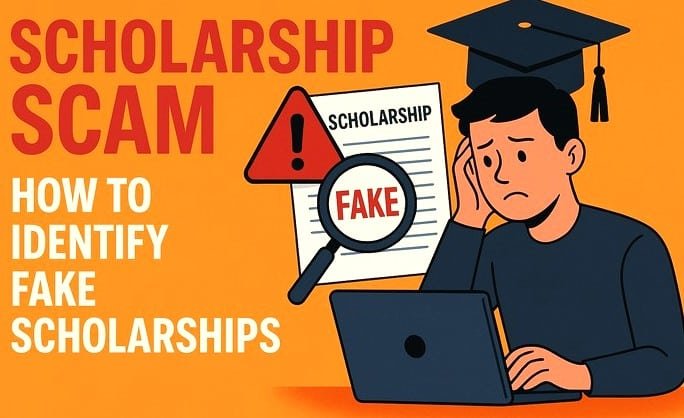
Scholarships provide life-changing opportunities for Nigerian students who want to further their education without heavy financial pressure. Unfortunately, the growing demand for scholarships has also led to an increase in scholarship scams, targeting hopeful students and parents across Nigeria.
Every year, thousands of Nigerians lose money, personal information, and valuable time to fraudulent individuals posing as scholarship agents, foundations, or foreign institutions. Understanding scholarship scams and how Nigerians can avoid fraudsters is now more important than ever.
This guide explains how scholarship scams work, the most common warning signs, and practical steps Nigerians can take to protect themselves while applying for legitimate opportunities.
What Are Scholarship Scams?
Scholarship scams are fraudulent schemes where criminals pretend to offer educational funding in order to steal money, personal data, or both. These scams often appear very convincing, using professional-looking websites, official-sounding emails, and fake testimonials.
In many cases, victims are asked to pay “processing fees,” “registration fees,” or “guarantee fees” for scholarships that do not exist.
Why Nigerians Are Often Targeted by Scholarship Fraudsters
Several factors make Nigerians frequent targets of scholarship scams:
-
High demand for international and local scholarships
-
Limited access to verified information
-
Economic pressure to find financial aid
-
Heavy use of social media and messaging apps
-
Trust in unofficial “agents” or middlemen
Fraudsters exploit these realities by promising quick success, guaranteed funding, or shortcuts that seem attractive to desperate applicants.
READ ALSO: Top Fully Funded Master’s Scholarships for Women 2026: Complete Guide
Common Types of Scholarship Scams in Nigeria
Understanding common scam patterns helps Nigerians avoid falling victim. Below are the most frequent types of scholarship fraud.
1. Application Fee Scams
Legitimate scholarships do not require payment to apply. Scam programs usually demand fees labeled as:
-
Application fees
-
Registration fees
-
Processing fees
-
Verification fees
Once payment is made, communication often stops.
2. Fake Government or International Scholarships
Scammers impersonate well-known organizations such as foreign governments, international foundations, or global agencies. They copy logos, names, and formats from real websites to appear authentic to fraud individuals of fake visa and passports.
3. Social Media Scholarship Scams
Fraudsters use platforms like Facebook, WhatsApp, Telegram, and Instagram to advertise “limited scholarship slots.” These posts often include:
-
Urgent deadlines
-
Poor grammar
-
Private payment requests
Social media scholarships should always be verified through official websites.
4. Scholarship Agents and Middlemen Fraud
Some individuals claim they can “help secure” scholarships for a fee. They promise guaranteed admission or funding — something no legitimate scholarship provider can offer.
5. Email and SMS Phishing Scams
Victims receive emails or text messages claiming they have “won” a scholarship they never applied for. These messages often ask for personal details such as passport data, bank information, or payment confirmation.
Red Flags That Indicate a Scholarship Scam
To avoid scholarship fraud, Nigerians should watch out for the following warning signs:
-
Requests for upfront payment
-
Guarantees of selection
-
Poor spelling and grammar
-
No official website or contact address
-
Use of free email services instead of official domains
-
Pressure to act immediately
-
Requests for sensitive personal information
If a scholarship offer sounds too good to be true, it usually is.
How Nigerians Can Avoid Scholarship Scams
Avoiding scholarship scams requires awareness, verification, and patience. Below are proven strategies Nigerians can use to stay safe.
1. Apply Only Through Official Sources
Always apply through:
-
Official university websites
-
Government education official portals to issue visa e.g immigration.gov
-
Recognized scholarship foundations
Avoid third-party agents unless they are clearly endorsed by the scholarship provider.
2. Never Pay to Apply for a Scholarship
Legitimate scholarships are free. If payment is required at any stage, treat it as a serious red flag.
3. Verify the Scholarship Provider
Before applying:
-
Search the scholarship name online
-
Check the official website domain
-
Look for past award announcements
-
Confirm contact details
Taking time to verify can save you from fraud.
4. Protect Your Personal Information
Do not share:
-
Bank account details
-
BVN
-
Passport biodata
-
One-time passwords
Scholarship providers will not ask for these during application stages.
5. Cross-Check With Trusted Education Platforms
Use reputable education blogs, university portals, and government websites to confirm scholarship announcements.
6. Avoid Pressure and Urgency Tactics
Scammers often rush victims by claiming:
-
“Last chance today”
-
“Limited slots remaining”
-
“Immediate payment required”
Legitimate scholarships provide clear deadlines and allow reasonable time to apply.
What to Do If You Suspect a Scholarship Scam
If you believe you have encountered a scholarship scam:
-
Stop communication immediately
-
Do not make any payments
-
Report the scam to local authorities
-
Inform your bank if payment details were shared
-
Warn others through trusted platforms
Early reporting helps protect other Nigerians from falling victim.
READ ALSO: 10 Scholarships That Don’t Require IELTS or TOEFL (Full Guide)2026
Role of Parents and Guardians
Parents and guardians play a vital role in preventing scholarship fraud by:
-
Verifying scholarship information
-
Encouraging safe online practices
-
Discouraging payments to agents
-
Supporting applications through official channels
Education and guidance reduce vulnerability.
Legitimate Alternatives to Avoid Scams
Instead of chasing unverified offers, Nigerians should focus on:
-
University-based scholarships
-
Government-approved programs
-
Recognized private foundations
-
Merit-based and need-based awards
Building a strong academic profile increases access to real opportunities.
Importance of Awareness and Education
The most effective weapon against scholarship scams is awareness. Students who understand how fraudsters operate are far less likely to be deceived.
Schools, media platforms, and educational institutions should continue educating Nigerians about scholarship safety and digital literacy.
Conclusion
Scholarship scams remain a serious problem in Nigeria, but they are avoidable. By staying informed, verifying opportunities, and refusing to pay application fees, Nigerians can safely pursue legitimate scholarships without fear of fraud.
Education is a powerful investment — protecting that investment starts with knowing how Nigerians can avoid scholarship fraudsters